
Flight Training Programs
Whether your goal is to fly for fun, use an aircraft for personal or business travel, or pursue a professional aviation career, your training begins with a strong foundation.
At Northwest Flight Service, we offer first-class training from Private Pilot through Certified Flight Instructor. Each step builds on the knowledge and experience gained before it, allowing you to progress at your own pace and toward your own goals.
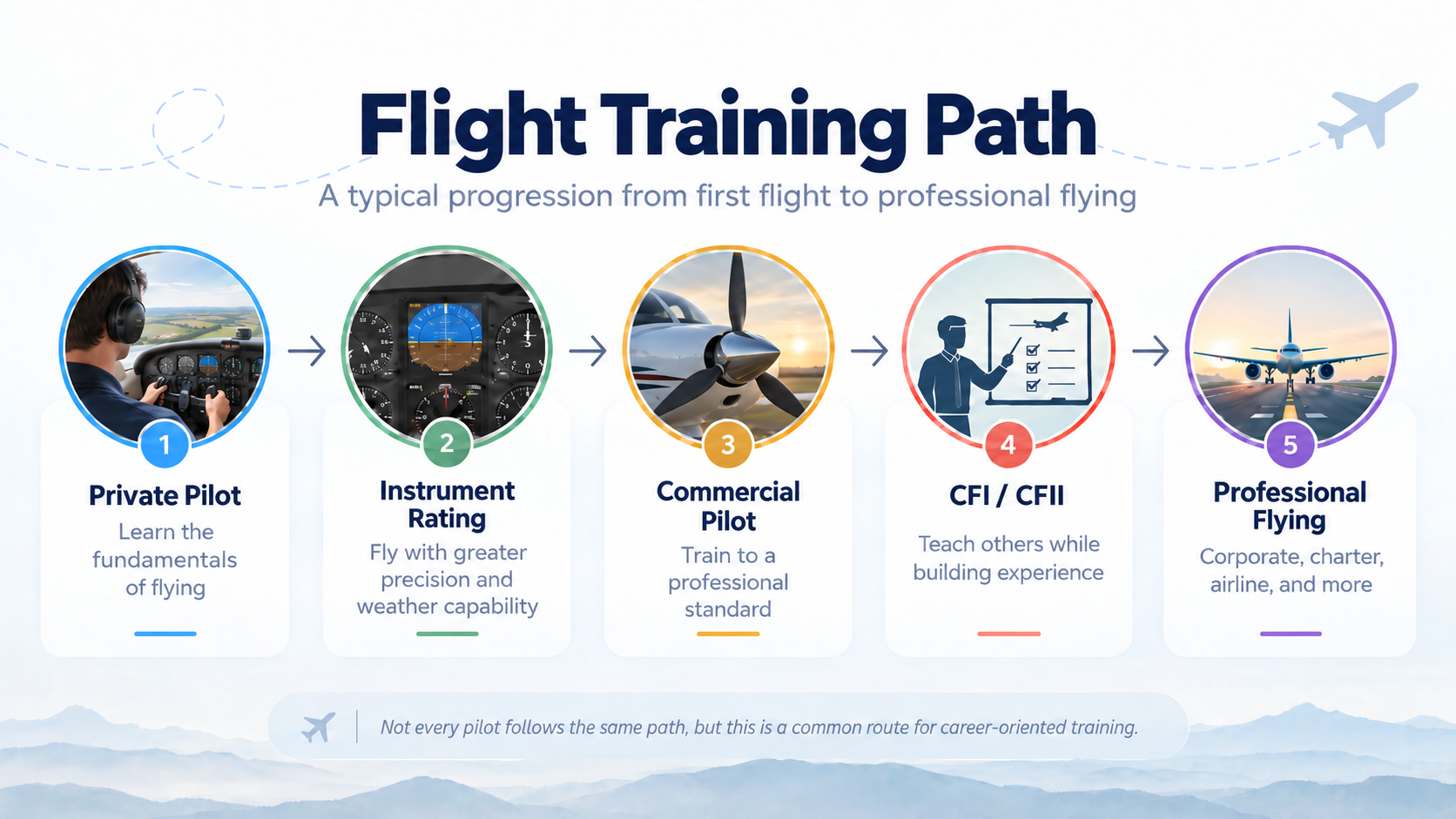
Your Flight Training Path
Most pilots begin with a Private Pilot Certificate and then continue through additional ratings and certificates depending on what they want to do with aviation.
Private Pilot → Instrument Rating → Commercial Pilot → CFI / CFII → Professional Flying
Not every pilot follows the same path. Some students train simply for the enjoyment and freedom of flying, while others continue through advanced ratings as they work toward a professional aviation career.
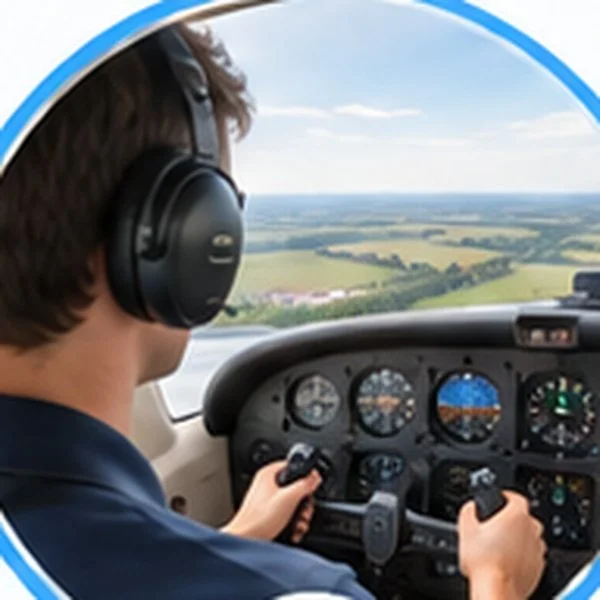
Private Pilot
The Private Pilot Certificate is the starting point for most pilots.
Private Pilot training teaches you the fundamentals of safely operating an aircraft and gives you the skills needed to fly on your own and carry passengers.
During your training, you will learn aircraft control, takeoffs and landings, navigation, cross country flight planning, weather, airspace, radio communications, emergency procedures, and aeronautical decision making.
One of the most memorable milestones in training is your first solo flight, when your instructor determines that you are ready to safely operate the airplane on your own.
Private Pilot Ground School Overview - CLICK HERE
Private Pilot Ground School Schedule - CLICK HERE
Why Earn a Private Pilot Certificate?
A Private Pilot Certificate can open the door to many different kinds of flying.
You may want to:
• Fly recreationally
• Travel for personal or business purposes
• Take family and friends flying
• Explore aviation as a lifelong hobby
• Begin training toward a professional flying career
The FAA minimum for Private Pilot training under Part 61 is 40 hours of flight time. Most students require additional training to become proficient and ready for the practical test.
For students planning a professional aviation career, the next step is typically an Instrument Rating.
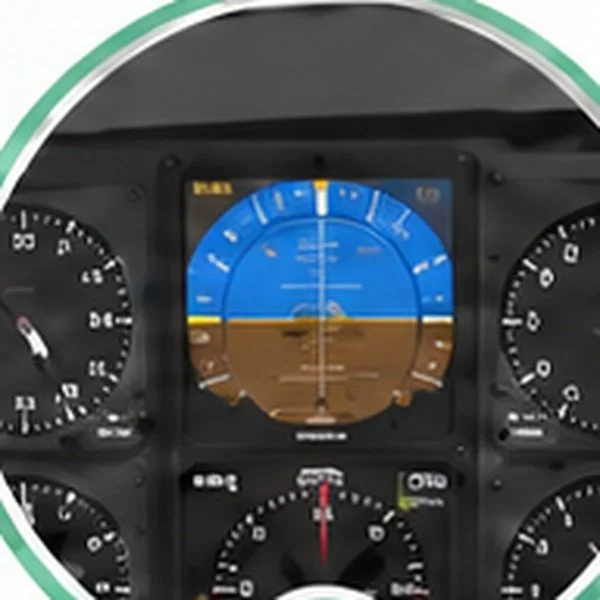
Instrument Rating
An Instrument Rating builds on your Private Pilot training and teaches you to safely operate an aircraft using its instruments and navigation systems when outside visual references may be limited or unavailable.
Instrument training introduces a new level of precision, planning, aircraft management, and decision making.
You will learn instrument approaches, IFR navigation, Air Traffic Control procedures, weather interpretation, holding procedures, instrument emergencies, and the regulations and procedures associated with instrument flying.
Why Earn an Instrument Rating?
An Instrument Rating greatly increases the usefulness of your Private Pilot Certificate.
It can give you more options when weather conditions are less than ideal and help make cross country flying more practical and reliable.
Even when flying in good weather, instrument training can make you a more precise, knowledgeable, and confident pilot.
For anyone pursuing a professional aviation career, the Instrument Rating is an essential part of the training progression.
After earning your Instrument Rating and building additional flight experience, the next major step is the Commercial Pilot Certificate.

Commercial Pilot
Commercial Pilot training develops the precision, consistency, judgment, and professionalism expected of a professional aviator.
While Private Pilot training teaches you how to safely operate an airplane, Commercial training takes those skills to a higher standard.
Training focuses on advanced aircraft control, commercial maneuvers, cross country operations, emergency procedures, aeronautical decision making, and the privileges and limitations associated with commercial flying.
Why Earn a Commercial Pilot Certificate?
A Commercial Pilot Certificate allows a pilot to conduct certain operations for compensation or hire, subject to applicable FAA regulations.
For career oriented pilots, it is an important milestone toward jobs in areas such as:
• Flight instruction
• Charter flying
• Corporate aviation
• Aerial survey
• Specialized commercial operations
• Airline flying
Under Part 61, an airplane Commercial Pilot applicant generally needs at least 250 hours of total flight time along with the specific aeronautical experience required by the FAA.
Most professional flying jobs require considerably more experience, so many pilots continue into Certified Flight Instructor training after earning their Commercial Certificate.
Certified Flight Instructor & CFII
Becoming a Certified Flight Instructor, or CFI, is one of the most challenging and rewarding stages of professional pilot training.
CFI training requires you to take everything you have already learned and approach it from the perspective of a teacher.
Instead of simply demonstrating that you can perform a maneuver, you must be able to explain it, teach it, recognize common errors, and help another pilot perform it safely and consistently.
CFI training includes:
• Fundamentals of instruction
• Lesson planning and presentation
• Teaching flight maneuvers
• Student evaluation
• Risk management
• Instructor responsibilities
• FAA endorsements and regulations
What Is a CFII?
A CFII is a Certified Flight Instructor with an Instrument Instructor rating.
CFII training prepares you to teach instrument students and provide instruction in areas such as instrument procedures, approaches, IFR navigation, aviation weather, regulations, and instrument decision making.
Many career focused pilots earn both CFI and CFII credentials so they can instruct students through multiple stages of training.
Why Become a Flight Instructor?
Flight instruction is one of the most common ways professional pilots build experience.
It also develops skills that are valuable throughout an aviation career, including communication, leadership, decision making, situational awareness, and aircraft management.
For many pilots, instructing becomes their first professional flying job and the bridge between earning a Commercial Pilot Certificate and moving into corporate, charter, airline, or other professional aviation opportunities.
Where Can Flight Training Take You?
Aviation offers many different paths.
Some pilots earn a Private Pilot Certificate and spend years enjoying recreational flying. Others continue through Instrument and Commercial training and eventually become instructors, corporate pilots, charter pilots, airline pilots, or professional pilots in other specialized areas of aviation.
There is no single path that fits every pilot.
Our goal is to help you understand your options, build a training plan that fits your goals, and help you progress safely and confidently through each stage.
Ready to Get Started?
The best way to begin is to experience flight training for yourself.
Schedule an Introductory Flight, tour our facility, meet our instructors, and learn more about which training path may be right for you.
Contact Us!
Phone: (509) 458-2359
Address: 6133 E. Rutter Ave, Spokane, WA 99212